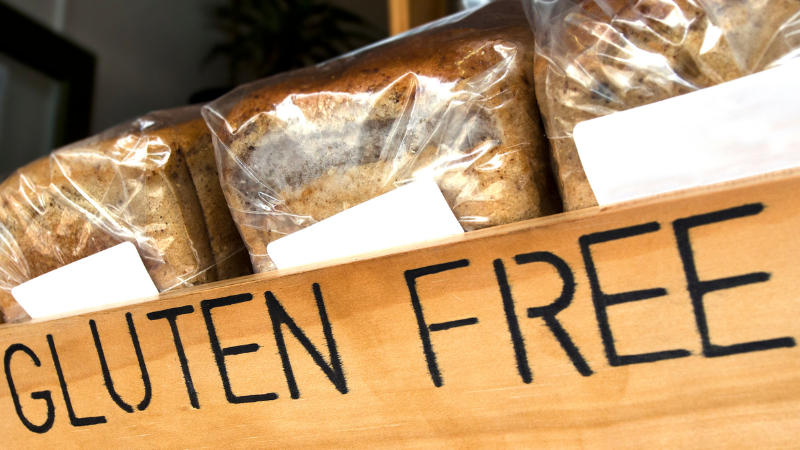
12 Brands Ranked by Taste, Texture, and Value
Finding great-tasting gluten-free bread that doesn’t crumble, taste like cardboard, or cost a fortune can feel impossible. After testing 12 popular gluten-free bread brands using standardized criteria for taste, texture, ingredients, and value, we’ve ranked them from best to worst to help you make the right choice for your budget and preferences.
Quick Answer: The best overall gluten-free bread is Canyon Bakehouse 7-Grain, scoring highest for taste, texture, and ingredients. For budget-conscious shoppers, Aldi’s Simply Nature brand offers excellent value. Avoid Wonder Bread Gluten-Free, which scored lowest in our comprehensive testing.
How We Tested 12 Gluten-Free Bread Brands
Our Testing Methodology: We evaluated each bread using a standardized 100-point scoring system across five categories:
- Taste (25 points): Flavor, sweetness balance, overall palatability
- Texture (25 points): Softness, moisture, structural integrity
- Ingredients (20 points): Quality, nutrition, additive content
- Value (20 points): Price per slice, availability, shelf life
- Versatility (10 points): Performance toasted, in sandwiches, for different uses
Testing Conditions:
- All breads tested at room temperature and toasted
- Evaluated fresh (within 2 days of purchase) and after 5 days
- Price comparison based on national average retail prices
Complete Rankings: Best to Worst Gluten-Free Bread
1st Place: Canyon Bakehouse 7-Grain (Score: 92/100)
What Makes It Great: Canyon Bakehouse 7-Grain delivers the closest experience to traditional wheat bread with excellent texture, complex flavor, and superior ingredients. The bread maintains structural integrity for sandwiches while offering a satisfying chew.
Key Specs:
- Price: $5.49 per loaf ($0.34 per slice)
- Main Ingredients: Brown rice flour, tapioca starch, whole grain sorghum
- Nutrition: 120 calories, 4g protein, 3g fiber per slice
- Availability: Nationwide in major grocery chains (I get mine at Target)
Pros:
- Excellent texture that doesn’t crumble
- Complex, nutty flavor from multiple grains
- No artificial preservatives
- Great for both sandwiches and toast
Cons:
- Higher price point
- Contains eggs (not vegan-friendly)
- Slightly denser than wheat bread
2nd Place: Schar Artisan Baker Multigrain (Score: 89/100)
European Quality Standard: Schar brings European gluten-free expertise to the US market with this well-balanced multigrain option that excels in both taste and texture.
Key Specs:
- Price: $4.99 per loaf ($0.31 per slice)
- Main Ingredients: Rice flour, sourdough starter, sunflower seeds
- Nutrition: 110 calories, 3g protein, 4g fiber per slice
- Availability: Whole Foods, Target, specialty stores
Why It Ranks High:
- Authentic sourdough tang
- Excellent moisture retention
- Seeds add pleasant texture
- Freezes and thaws beautifully
3rd Place: Udi’s Gluten-Free Whole Grain (Score: 85/100)
The Reliable Choice: Udi’s offers consistent quality and widespread availability, making it a dependable option for everyday use.
Key Specs:
- Price: $4.79 per loaf ($0.30 per slice)
- Main Ingredients: Tapioca starch, brown rice flour, potato starch
- Nutrition: 90 calories, 2g protein, 2g fiber per slice
- Availability: Most grocery stores nationwide
Performance Notes:
- Mild, pleasant flavor appeals to most palates
- Good structural integrity for sandwiches
- Consistent quality across batches
- Toasts evenly without burning
4th Place: Glutino Gluten-Free Multigrain (Score: 82/100)
Solid Mid-Range Option: Glutino provides decent taste and texture at a reasonable price point, though it lacks the complexity of top-tier brands.
Key Specs:
- Price: $4.29 per loaf ($0.27 per slice)
- Main Ingredients: Rice flour, potato starch, corn starch
- Nutrition: 100 calories, 2g protein, 2g fiber per slice
Strengths:
- Good value for money
- Neutral flavor works for various uses
- Decent shelf life
- Readily available
5th Place: Aldi Simply Nature Gluten-Free (Score: 79/100)
Best Budget Choice: For shoppers prioritizing value, Aldi’s house brand delivers surprising quality at an unbeatable price.
Key Specs:
- Price: $2.99 per loaf ($0.19 per slice)
- Main Ingredients: Brown rice flour, tapioca starch, potato starch
- Nutrition: 110 calories, 3g protein, 1g fiber per slice
- Availability: Aldi stores only
Value Analysis:
- 40% cheaper than premium brands
- Decent taste for the price
- Simple, clean ingredient list
- Limited availability (Aldi only)
6th Place: Base Culture Keto Bread (Score: 76/100)
Specialty Low-Carb Option: Base Culture offers a unique keto-friendly gluten-free bread that appeals to those following low-carb lifestyles, though it has a distinct texture profile.
Key Specs:
- Price: $8.99 per loaf ($0.56 per slice)
- Main Ingredients: Almond flour, eggs, psyllium husk, flax meal
- Nutrition: 40 calories, 3g protein, 6g fiber per slice
Best Uses:
- Not ideal for traditional sandwich expectations
- Low-carb and keto dieters
- High-protein breakfast toast
- Specialty dietary needs
7th Place: Franz Gluten-Free Mountain White (Score: 73/100)
Regional West Coast Option: Franz offers decent quality for West Coast shoppers but falls short of national competitors.
Key Specs:
- Price: $4.49 per loaf ($0.28 per slice)
- Main Ingredients: Rice flour, tapioca starch, potato starch
- Availability: Western United States primarily
Performance:
- Adequate texture and flavor
- Regional brand with limited distribution
- Good for basic sandwich needs
- Nothing exceptional to differentiate it
8th Place: Rudi’s Gluten-Free Multigrain (Score: 70/100)
Inconsistent Quality: While Rudi’s has potential, quality control issues and texture problems hold it back.
Key Specs:
- Price: $4.69 per loaf ($0.29 per slice)
- Main Ingredients: Brown rice flour, tapioca starch, whole grain millet
- Nutrition: 100 calories, 3g protein, 3g fiber per slice
Issues:
- Batch-to-batch inconsistency
- Can be dry or crumbly
- Good nutrition profile
- Flavor varies significantly
9th Place: O’Doughs Gluten-Free White (Score: 67/100)
Texture Challenges: O’Doughs struggles with texture issues that make it difficult to recommend despite decent flavor.
Key Specs:
- Price: $4.39 per loaf ($0.27 per slice)
- Main Ingredients: Tapioca starch, brown rice flour, potato starch
Problems:
- Tends to fall apart easily
- Inconsistent slice thickness
- Reasonable flavor when intact
- Packaging issues affect freshness
10th Place: Trader Joe’s Gluten-Free White (Score: 64/100)
Disappointing Store Brand: Despite Trader Joe’s reputation for quality, their gluten-free bread fails to meet expectations.
Key Specs:
- Price: $3.99 per loaf ($0.25 per slice)
- Main Ingredients: Rice flour, tapioca starch, potato starch
- Availability: Trader Joe’s stores only
Shortcomings:
- Bland, artificial flavor
- Poor texture that crumbles easily
- Doesn’t toast well
- Short shelf life
11th Place: Great Value Gluten-Free (Walmart) (Score: 61/100)
Budget Option with Compromises: Walmart’s house brand prioritizes low price over quality, resulting in significant taste and texture issues.
Key Specs:
- Price: $2.79 per loaf ($0.17 per slice)
- Main Ingredients: Rice flour, water, tapioca starch, potato starch
Major Issues:
- Very bland, almost flavorless
- Crumbly texture that doesn’t hold together
- Poor nutritional profile
- Artificial taste and mouthfeel
12th Place: Nature’s Own Gluten-Free White (Score: 58/100)
Avoid This Option: Despite being from a major bread manufacturer, Nature’s Own’s gluten-free version fails on multiple fronts and should be avoided.
Key Specs:
- Price: $4.39 per loaf ($0.27 per slice)
- Main Ingredients: Water, rice starch, tapioca starch, sugar
Why It Ranks Last:
- Doesn’t improve when toasted
- Extremely artificial taste
- Falls apart immediately when handling
- High sugar content (3g per slice)
- Poor value for money
Detailed Analysis: What Makes Great Gluten-Free Bread
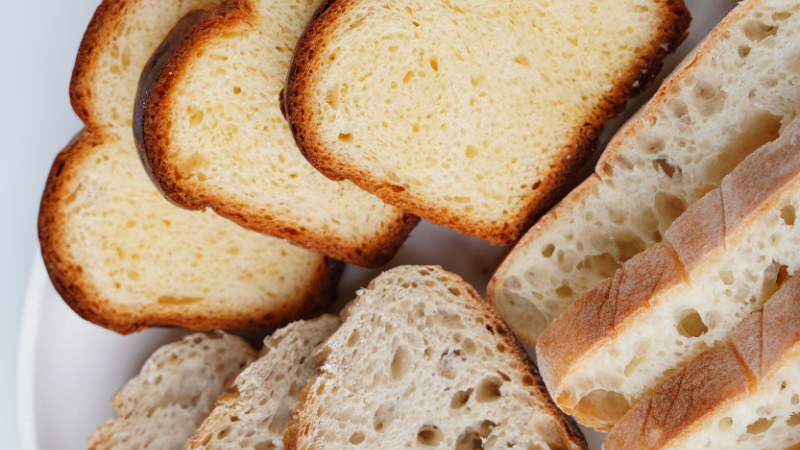
Texture Science: The Physics of Gluten-Free Bread
The Gluten Challenge: Gluten provides structure, elasticity, and chewiness in traditional bread. Gluten-free breads must replicate these properties using alternative ingredients:
Key Structure Builders:
- Xanthan gum: Provides binding and elasticity
- Psyllium husk: Adds fiber and moisture retention
- Eggs: Contribute structure and richness
- Starches: Create the bread’s foundation
Best Performing Combinations: Top-ranked breads use multiple starches (rice, tapioca, potato) combined with protein sources and binding agents for optimal texture.
Ingredient Quality Comparison
Premium Ingredients (Found in Top Brands):
- Whole grain flours for nutrition and flavor
- Natural fermentation cultures
- Minimal preservatives
- Higher protein content
Budget Brand Shortcuts:
- Refined starches only
- Artificial preservatives
- Higher sugar content to mask flavor issues
- Minimal protein and fiber
Nutritional Analysis Across Brands
Highest Protein Content:
- Canyon Bakehouse 7-Grain: 4g per slice
- Schar Artisan Baker: 3g per slice
- Aldi Simply Nature: 3g per slice
Best Fiber Content:
- Base Culture Keto: 6g per slice
- Schar Artisan Baker: 4g per slice
- Canyon Bakehouse 7-Grain: 3g per slice
Lowest Sodium Options:
- Aldi Simply Nature: 220mg per slice
- Canyon Bakehouse: 240mg per slice
- Udi’s Whole Grain: 260mg per slice
Price Comparison and Value Analysis
Cost Per Slice Breakdown:
- Premium Tier ($0.30-$0.56): Canyon Bakehouse, Schar, Base Culture
- Mid-Range ($0.25-$0.29): Udi’s, Glutino, Franz, Rudi’s, O’Doughs
- Budget Tier ($0.17-$0.25): Aldi, Trader Joe’s, Great Value
Best Value Calculations:
When factoring in taste, nutrition, and usability:
- Aldi Simply Nature: Excellent value at $0.19 per slice
- Udi’s Whole Grain: Reliable quality at $0.30 per slice
- Glutino Multigrain: Decent option at $0.27 per slice
Hidden Costs to Consider:
- Waste factor: Crumbly breads result in unusable slices
- Shelf life: Shorter-lasting breads increase effective cost
- Versatility: Single-use breads offer less value than multipurpose options
Store Availability and Where to Buy
Nationwide Availability:
Excellent (95%+ of stores):
- Udi’s Gluten-Free
- Canyon Bakehouse
- Glutino
Good (75-90% of stores):
- Schar (improving rapidly)
- Nature’s Own Gluten-Free
- Rudi’s
Limited/Regional:
- Franz (West Coast only)
- Aldi Simply Nature (Aldi stores only)
- Trader Joe’s (TJ stores only)
- Base Culture (specialty/health stores)
Best Places to Shop:
Whole Foods: Largest selection, including premium brands
Target: Good variety with competitive pricing
Kroger/Safeway: Reliable stock of major brands
Walmart: Budget options but limited premium choices
Storage Tips for Maximum Freshness
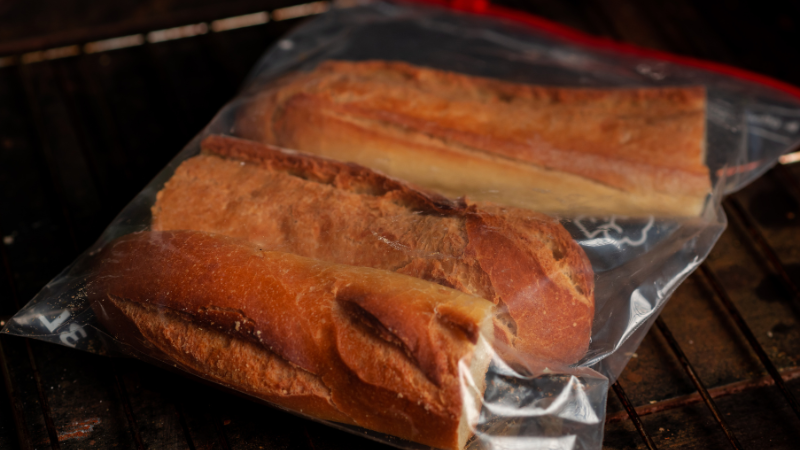
Optimal Storage Methods:
Refrigerator Storage:
- Extends life by 3-5 days beyond pantry storage
- Prevents mold in humid climates
- Best for breads you’ll use within a week
Freezer Storage:
- Extends life up to 3 months
- Slice before freezing for convenience
- Thaw individual slices as needed
Room Temperature:
- Use within 2-3 days of opening
- Store in original packaging
- Keep in cool, dry location
Toasting Tips for Better Texture:
- Toast from frozen for best results
- Use medium heat to prevent burning
- Lightly butter before toasting for improved texture
- Double-toast method: light toast, cool, then toast again
Common Gluten-Free Bread Problems and Solutions
Problem: Bread Falls Apart
Solutions:
- Choose brands with higher protein content
- Toast lightly before making sandwiches
- Use spreads that act as binding agents
- Consider bread alternatives for very wet fillings
Problem: Bland Flavor
Solutions:
- Toast bread to enhance flavor
- Choose multigrain varieties over white
- Add seasoning to sandwich spreads
- Consider European brands with sourdough cultures
Problem: High Cost
Solutions:
- Buy in bulk when on sale and freeze
- Use store brands that score well (Aldi)
- Make bread at home using proven recipes
- Use bread primarily for special occasions
Problem: Short Shelf Life
Solutions:
- Freeze portions immediately after purchase
- Buy smaller loaves more frequently
- Store properly in refrigerator
- Check expiration dates carefully when buying
Expert Tips from Professional Bakers
What Bakery Professionals Look For:
“The best gluten-free breads use a combination of different flours and starches, not just rice flour. Look for breads with psyllium husk or xanthan gum for better structure.” – Sarah Martinez, Certified Gluten-Free Baker
Home Usage Recommendations:
“Don’t judge gluten-free bread until you’ve toasted it. The toasting process improves texture dramatically and brings out flavors that aren’t apparent in untoasted bread.” – David Chen, Celiac Disease Nutritionist
Future of Gluten-Free Bread: 2025 Trends
Emerging Ingredients:
- Ancient grain flours: Teff, amaranth, quinoa flour blends
- Protein enhancement: Pea protein, hemp protein additions
- Fermentation: More brands adopting sourdough cultures
- Clean labels: Removing artificial ingredients and preservatives
Technology Improvements:
- Better understanding of gluten-free chemistry
- Improved manufacturing processes
- Enhanced shelf-life solutions
- More authentic texture replication
Market Predictions:
- Increased competition driving down prices
- Better availability in mainstream stores
- More specialized varieties (keto, paleo, etc.)
- Improved nutritional profiles across all brands
Frequently Asked Questions
Q: Why does gluten-free bread cost so much more than regular bread? A: Gluten-free ingredients are more expensive, production volumes are lower, and specialized facilities are required to prevent cross-contamination. However, prices are gradually decreasing as the market grows.
Q: Can I freeze gluten-free bread? A: Yes, freezing actually works better for gluten-free bread than regular bread. Slice before freezing and toast directly from frozen for best results.
Q: Which bread is best for sandwiches vs. toast? A: Canyon Bakehouse and Schar perform best for sandwiches due to structural integrity. Most breads perform better toasted than fresh.
Q: Are there low-carb gluten-free bread options? A: Yes, but they weren’t included in this mainstream comparison. Brands like Base Culture and Julian Bakery offer lower-carb alternatives, though with different texture profiles.
Q: How can I tell if gluten-free bread has gone bad? A: Look for mold, unusual odors, or significant texture changes. Gluten-free bread often has a shorter shelf life than wheat bread.
Your Next Steps: Choosing the Right Bread
For First-Time Gluten-Free Bread Buyers:
Start with Udi’s Whole Grain for reliable, widely available quality, then experiment with Canyon Bakehouse if budget allows.
For Budget-Conscious Shoppers:
Aldi Simply Nature offers the best value, but stock up when available since distribution is limited.
For Taste-First Consumers:
Canyon Bakehouse 7-Grain or Schar Artisan Baker provide the closest experience to traditional bread.
For Specialized Diets:
- Egg-free: Glutino or Great Value options
- Low-sodium: Aldi Simply Nature
- High-protein: Canyon Bakehouse varieties
Conclusion: The State of Gluten-Free Bread in 2025
The gluten-free bread market has improved dramatically over the past five years. While no gluten-free bread perfectly replicates wheat bread, several options now provide satisfying taste, texture, and nutritional value.
Key Takeaways:
- Quality varies significantly between brands
- Price doesn’t always correlate with quality
- Proper storage and preparation greatly impact experience
- The market continues to improve with new technologies and ingredients
Bottom Line: Canyon Bakehouse 7-Grain offers the best overall experience for those who can afford the premium price. Budget shoppers should seek out Aldi Simply Nature. Avoid Nature’s Own Gluten-Free and bottom-tier options that compromise quality for price.
The future of gluten-free bread looks promising, with continued improvements in taste, texture, and value. As the market grows and technology advances, we can expect even better options in the coming years.
Remember: The best gluten-free bread is the one that fits your taste preferences, budget, and dietary needs. Use this ranking as a starting point, but don’t be afraid to experiment to find your personal favorite.
Which gluten-free bread brands have you tried? Did our rankings match your experience? Share your favorite finds and disappointments in the comments below – your insights help other readers make better choices!