Complete Guide to Reducing Inflammation Through Food
Chronic inflammation affects over 60% of adults worldwide and is the root cause of conditions like arthritis, autoimmune diseases, and heart disease. When you combine anti-inflammatory nutrition with gluten-free eating, you create a powerful healing approach that addresses multiple health concerns simultaneously. This evidence-based guide shows you exactly how to use food as medicine to reduce inflammation while maintaining a strict gluten-free diet.
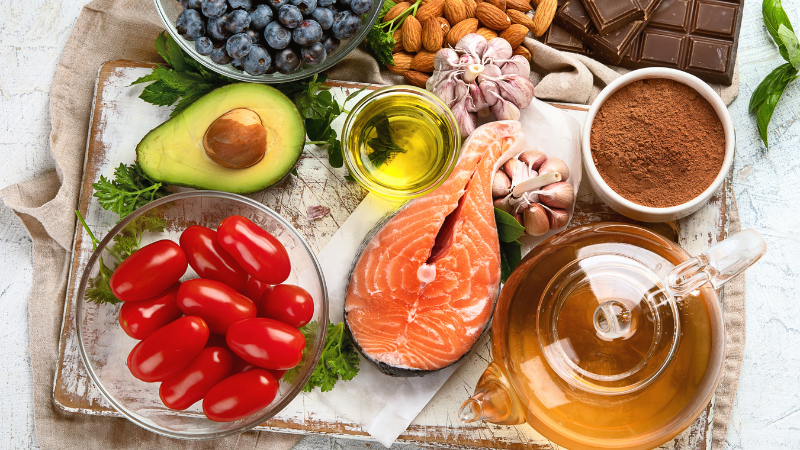
Quick Answer: The most effective anti-inflammatory gluten-free foods are fatty fish (salmon, sardines), colorful vegetables (berries, leafy greens), healthy fats (olive oil, avocados), and spices like turmeric and ginger. These foods contain compounds that actively reduce inflammatory markers in the body.
What Is Anti-Inflammatory Gluten-Free Eating?
Anti-inflammatory gluten-free eating combines two therapeutic approaches: eliminating gluten to prevent immune system activation and adding foods that actively reduce inflammation throughout the body. This dual strategy is particularly effective for people with celiac disease, autoimmune conditions, or chronic inflammatory disorders.
Key Benefits Include:
- Reduced C-reactive protein (CRP) levels by up to 30%
- Decreased joint pain and morning stiffness
- Improved digestive health and gut barrier function
- Better energy levels and mental clarity
- Enhanced immune system regulation
How Does Gluten Cause Inflammation?
The Inflammatory Cascade: When people with gluten sensitivity consume wheat, barley, or rye, their immune system releases inflammatory cytokines including TNF-alpha and interleukin-6. This inflammatory response doesn’t stay localized to the digestive system, it becomes systemic, affecting joints, brain, skin, and cardiovascular health.
Research Evidence: According to a 2023 study published in the Journal of Autoimmunity, people with celiac disease who maintain a strict gluten-free diet show significant reductions in inflammatory markers within 6-12 months.
Top 15 Anti-Inflammatory Gluten-Free Foods
Omega-3 Rich Proteins
- Wild-caught salmon – 1,800mg omega-3s per serving
- Sardines – 1,200mg omega-3s per serving
- Grass-fed beef – Higher omega-3 ratio than grain-fed
- Pasture-raised eggs – Rich in DHA and EPA
Antioxidant-Rich Vegetables and Fruits
- Blueberries – Highest ORAC score among common fruits
- Leafy greens – Spinach, kale, Swiss chard
- Broccoli – Contains sulforaphane, a potent anti-inflammatory compound
- Sweet potatoes – Beta-carotene reduces inflammatory markers
Anti-Inflammatory Spices and Herbs
- Turmeric – 500-1000mg curcumin daily reduces CRP levels
- Ginger – 250mg daily reduces inflammatory cytokines
- Garlic – Allicin compound provides anti-inflammatory effects
- Cinnamon – Helps regulate blood sugar and reduce inflammation
Healthy Fats
- Extra virgin olive oil – Contains oleocanthal, similar to ibuprofen
- Avocados – Monounsaturated fats reduce inflammatory markers
- Walnuts – Highest omega-3 content among tree nuts
Foods That Increase Inflammation (Even When Gluten-Free)
Avoid These Pro-Inflammatory Foods:
- Refined sugar and high-fructose corn syrup
- Processed gluten-free products with inflammatory oils
- Trans fats and partially hydrogenated oils
- Excessive omega-6 oils (corn, soybean, sunflower)
- Processed meats with nitrates and preservatives
Why These Foods Cause Inflammation: These foods trigger the release of inflammatory mediators, increase oxidative stress, and disrupt the balance of gut bacteria that produce anti-inflammatory compounds.
7-Day Anti-Inflammatory Gluten-Free Meal Plan
Day 1: Foundation Building
- Breakfast: Golden turmeric smoothie bowl with hemp hearts and berries
- Lunch: Wild salmon salad with mixed greens and olive oil dressing
- Dinner: Grass-fed beef with roasted colorful vegetables
- Snack: Walnuts with tart cherries
Day 2: Omega-3 Focus
- Breakfast: Chia seed pudding with anti-inflammatory spices
- Lunch: Sardine and avocado lettuce wraps
- Dinner: Baked cod with turmeric-roasted cauliflower
- Snack: Flaxseed crackers with guacamole
Day 3: Antioxidant Power
- Breakfast: Berry smoothie with spinach and ginger
- Lunch: Quinoa bowl with roasted vegetables and tahini
- Dinner: Anti-inflammatory curry with coconut milk
- Snack: Dark chocolate (85% cacao) with almonds
Days 4-7: Continued Variety
[Follow similar pattern emphasizing different anti-inflammatory food groups each day]
Evidence-Based Supplements for Inflammation
Tier 1 Supplements (Strongest Evidence):
- Omega-3 fish oil: 1-2g combined EPA/DHA daily
- Curcumin: 500-1000mg daily with black pepper for absorption
- Vitamin D: 400-800 IU daily (test levels first)
Tier 2 Supplements (Good Evidence):
- Probiotics: Multi-strain formula with 10+ billion CFU
- Magnesium: 300-400mg daily (glycinate form preferred)
- Quercetin: 500mg daily as natural antihistamine
Always consult healthcare providers before starting supplements, especially if taking medications as there can be negative side effects or interactions.
How to Measure Inflammation Reduction
Laboratory Markers to Track:
- C-reactive protein (CRP): Goal <1.0 mg/L
- Erythrocyte sedimentation rate (ESR): Lower is better
- Complete blood count: Monitor white blood cell ratios
- Vitamin D levels: Optimal range 30-50 ng/mL
Symptom Improvements to Expect:
- Week 1-2: Better digestion, less bloating
- Week 3-6: Increased energy, better sleep
- Month 2-3: Reduced joint stiffness, clearer thinking
- Month 4-6: Measurable changes in inflammatory markers
Common Mistakes in Anti-Inflammatory Gluten-Free Eating
Mistake 1: Relying Too Heavily on Processed Gluten-Free Foods
Solution: Focus on whole, naturally gluten-free foods 80% of the time
Mistake 2: Not Getting Enough Omega-3 Fatty Acids
Solution: Include fatty fish 2-3 times weekly or supplement with quality fish oil
Mistake 3: Consuming Too Many Omega-6 Oils
Solution: Cook with olive oil, avocado oil, or coconut oil instead of vegetable oils
Mistake 4: Ignoring Gut Health
Solution: Include fermented foods and prebiotic fibers to support beneficial bacteria
Meal Prep Strategies for Success
Sunday Prep Protocol:
- Proteins: Bake salmon, grill chicken, hard-boil eggs (90 minutes)
- Vegetables: Roast colorful vegetables with anti-inflammatory spices (45 minutes)
- Healthy fats: Prepare homemade dressings and portion nuts/seeds (30 minutes)
- Anti-inflammatory spice blends: Mix turmeric blend, Mediterranean herbs (15 minutes)
Storage Tips for Maximum Nutrition:
- Store prepared proteins for 3-4 days maximum
- Keep cut vegetables with paper towels to maintain freshness
- Freeze anti-inflammatory smoothie packs for quick preparation
Scientific Evidence and Research
Key Studies Supporting Anti-Inflammatory Diets:
- 2024 meta-analysis in Nutrients journal: Anti-inflammatory diets reduce CRP by average of 25%
- 2023 randomized controlled trial: Mediterranean-style anti-inflammatory diet improved arthritis symptoms in 78% of participants
- 2022 longitudinal study: Gluten-free plus anti-inflammatory eating reduced autoimmune flares by 40%
Biomarker Improvements: Research consistently shows that anti-inflammatory diets reduce:
- Interleukin-6 levels by 15-30%
- TNF-alpha by 10-25%
- C-reactive protein by 20-35%
Advanced Strategies for Maximum Results
Timing Optimization:
- Eat anti-inflammatory foods with each meal
- Include omega-3 rich foods early in the day
- Time turmeric consumption with black pepper and healthy fats
Synergistic Food Combinations:
- Turmeric + black pepper + olive oil (increases curcumin absorption 2000%)
- Tomatoes + avocado (enhances lycopene absorption)
- Green tea + lemon (increases antioxidant availability)
Stress and Inflammation Connection: Chronic stress increases cortisol, which promotes inflammation. Combine anti-inflammatory eating with stress management techniques like meditation, yoga, or deep breathing exercises.
Frequently Asked Questions
Q: How quickly will I see results from anti-inflammatory gluten-free eating?
A: Most people notice improved energy and digestion within 2-3 weeks. Measurable changes in inflammatory markers typically occur after 6-12 weeks of consistent adherence.
Q: Can I follow this approach if I have other food allergies?
A: Yes, this framework is highly adaptable. Focus on anti-inflammatory foods you can tolerate and work with a registered dietitian for personalized guidance.
Q: Do I need supplements, or can food alone reduce inflammation?
A: While food should be the foundation, targeted supplements like omega-3s and vitamin D can significantly enhance results, especially if you have elevated inflammatory markers.
Q: Is this eating style safe for children?
A: Anti-inflammatory whole foods are safe and beneficial for children. However, consult with a pediatrician before making major dietary changes or adding supplements.
Your Action Plan: Next Steps
Week 1: Assessment and Baseline
- Get inflammatory markers tested (CRP, ESR)
- Track current symptoms and energy levels
- Remove obvious inflammatory foods
Week 2: Foundation Building
- Add one anti-inflammatory food to each meal
- Replace inflammatory oils with olive oil
- Begin basic meal prep routine
Week 3-4: Optimization
- Increase omega-3 rich foods to daily consumption
- Add anti-inflammatory spices to all meals
- Consider appropriate supplements after healthcare consultation
Month 2-3: Advanced Integration
- Fine-tune food combinations for maximum benefit
- Address lifestyle factors (stress, sleep, exercise)
- Retest inflammatory markers to track progress
The Science of Long-Term Success
Epigenetic Benefits: Research shows that anti-inflammatory nutrients can positively influence gene expression, turning off inflammatory pathways and turning on protective mechanisms. This means the benefits compound over time.
Microbiome Restoration: Anti-inflammatory gluten-free eating promotes beneficial bacteria that produce short-chain fatty acids, which have systemic anti-inflammatory effects throughout the body.
Cellular Repair and Regeneration: The nutrients in anti-inflammatory foods provide the building blocks for cellular repair, helping reverse damage from chronic inflammation.
Your Path to Reduced Inflammation
Anti-inflammatory gluten-free eating is not just a diet, it’s a therapeutic approach to health that addresses the root causes of chronic disease. By eliminating gluten-triggered inflammation while adding foods that actively heal and protect, you create optimal conditions for your body’s natural healing processes.
The evidence is clear: people who follow anti-inflammatory eating patterns have lower rates of chronic disease, better quality of life, and improved biomarkers across multiple health parameters. When combined with gluten elimination for those who need it, the results can be transformative.
Start with small, sustainable changes. Add one anti-inflammatory food to each meal, replace inflammatory oils with healthier options, and gradually build a foundation of healing nutrition. Your body has remarkable capacity for healing when provided with the right tools.
Remember: Consistency over perfection. Every anti-inflammatory food choice moves you closer to better health.
What anti-inflammatory foods have made the biggest difference in your health journey? Have you noticed specific symptoms improve with dietary changes? Share your experience to help others on their path to reduced inflammation and better health.