Your Complete Gluten-Free Ingredient Guide
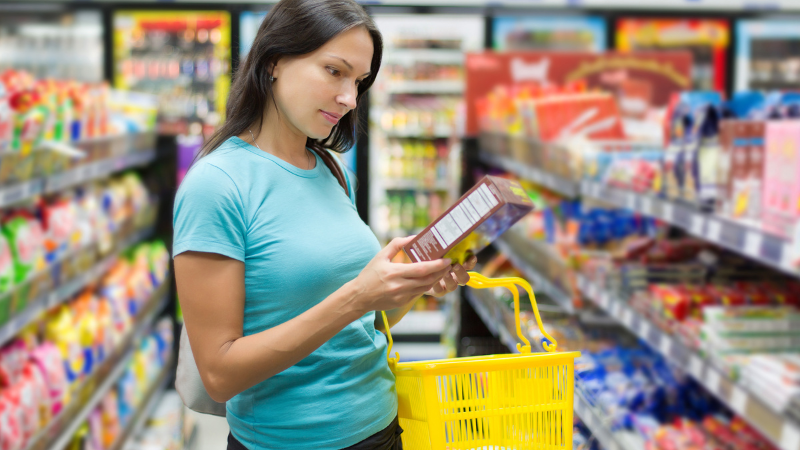
Navigating the grocery store aisles when you’re gluten-free can feel like solving a complex puzzle. Hidden gluten lurks in unexpected places, from seemingly innocent seasonings to health foods marketed as “natural.” This comprehensive guide will transform you from a confused label-reader into a confident gluten-free shopping expert, armed with the knowledge to spot hidden gluten in any product and make safe choices for your health.
Why Label Reading is Your Superpower
Understanding food labels isn’t just helpful when you’re gluten-free – it’s absolutely essential. Unlike other dietary preferences, consuming gluten when you have celiac disease or severe gluten sensitivity can cause serious health complications. Even trace amounts can trigger symptoms and intestinal damage. The good news? Once you know what to look for, reading labels becomes second nature, and you’ll shop with confidence instead of anxiety.
The Legal Landscape: What “Gluten-Free” Really Means
FDA Regulations: In the United States, the FDA requires that products labeled “gluten-free” contain less than 20 parts per million (ppm) of gluten. This standard is considered safe for most people with celiac disease. However, understanding the nuances of labeling laws helps you make even better choices.
Certification Programs: Look for third-party certification symbols like the Gluten-Free Certification Organization (GFCO) logo, which requires products to contain less than 10 ppm of gluten – an even stricter standard than FDA requirements.
The Big Four: Primary Gluten Sources
Wheat: The most obvious source, but it appears in many forms:
- Wheat flour, wheat starch, wheat protein
- Bulgur, semolina, farro, spelt
- Graham flour, durum, kamut
- Wheat berries, wheat bran, wheat germ
Barley: Often hidden in:
- Malt (malt extract, malt flavoring, malt syrup)
- Malted milk, malted beverages
- Beer and some distilled spirits
- Some food colorings and flavorings
Rye: Less common but found in:
- Rye flour, rye bread
- Some whiskeys and beers
- Caraway (when processed in shared facilities)
Oats: Naturally gluten-free but often contaminated:
- Only buy certified gluten-free oats
- Watch for oat-containing products without certification
- Be aware that some people with celiac disease cannot tolerate even pure oats
Hidden Gluten Hall of Fame: Unexpected Sources
Seasonings and Spices:
- Seasoning blends often contain wheat as an anti-caking agent
- Curry powder, chili powder, and other spice mixes
- Flavored salts and specialty seasonings
- Always check labels on pre-mixed seasonings
Sauces and Condiments:
- Soy sauce (unless specifically gluten-free)
- Worcestershire sauce
- Some hot sauces and BBQ sauces
- Salad dressings, especially creamy varieties
- Marinades and cooking wines
Processed Meats:
- Deli meats, sausages, and hot dogs
- Meat substitutes and veggie burgers
- Breaded or seasoned meats
- Some ground meat products with fillers
Surprising Sweet Treats:
- Licorice and some candies
- Ice cream with cookie pieces or malt
- Some chocolate products
- Flavored yogurts with granola or cookie mix-ins
The Ingredients List Deep Dive
First Five Ingredients Rule: The first five ingredients make up the majority of the product. If any contain gluten, consider the risk level based on your sensitivity.
The Devil’s in the Details:
- “Natural flavors” can sometimes contain gluten
- “Modified food starch” should specify the source
- “Caramel color” is usually safe but verify when possible
- “Dextrin” can be made from wheat or corn
Cross-Contamination Warnings: Look for statements like:
- “May contain wheat”
- “Processed in a facility that also processes wheat”
- “Made on equipment shared with wheat products”
Red Flag Ingredients: The Complete List
Always Contains Gluten:
- Wheat, barley, rye, triticale
- Malt (any form)
- Brewer’s yeast
- Wheat starch (unless specifically processed to remove gluten)
Questionable Ingredients (Always Verify):
- Modified food starch
- Natural flavoring
- Seasoning
- Hydrolyzed vegetable protein
- Textured vegetable protein
Usually Safe (But Check the Source):
- Corn starch
- Rice starch
- Potato starch
- Tapioca starch
Brand-Specific Intelligence
Grocery Store Brands:
- Whole Foods 365: Generally excellent gluten-free labeling
- Trader Joe’s: Clear gluten-free symbols on safe products
- Target Good & Gather: Improving gluten-free options with clear labeling
- Kroger Simple Truth: Offers dedicated gluten-free line
National Brands Leading the Way:
- General Mills: Clear “gluten-free” labeling on safe products
- Kellogg’s: Dedicated gluten-free product lines
- Campbell’s: Improved labeling practices for gluten-free soups
Geographic Considerations for Label Reading
Regional Brand Differences: Different regions often carry unique local brands that may have varying labeling practices. In the Midwest, local grain processors may have different contamination risks than coastal suppliers.
Climate Impact on Ingredients:
- Humid climates may affect how manufacturers handle gluten-free oats
- Regional wheat growing areas may have higher contamination risks
- Local food co-ops may have different sourcing standards
State-Specific Regulations: Some states have additional labeling requirements beyond federal standards, particularly California’s Proposition 65, which may provide additional ingredient disclosure.
International Product Considerations
Canadian Products: Health Canada has similar but slightly different gluten-free standards. Canadian products are generally safe for US consumers.
European Imports: The EU has even stricter gluten-free standards (20 ppm or less), making European imports often safer choices.
Mexican and Latin American Products: Traditional corn-based products are usually safe, but verify processing facilities and cross-contamination prevention.
Technology Tools for Smart Shopping
Smartphone Apps:
- Find Me Gluten Free: Restaurant and product reviews
- Gluten Free Scanner: Barcode scanning for quick verification
- Shopwell: Personalized ingredient analysis
Online Resources:
- Celiac.org: Updated safe product lists
- GFCO.org: Certified product database
- Manufacturer websites: Direct ingredient information
Store Navigation Strategies
Safe Shopping Zones:
- Dedicated gluten-free sections (but still read labels)
- Fresh produce sections
- Meat and seafood counters (verify seasonings)
- Dairy sections (check flavored products)
High-Risk Areas:
- Bulk bins (cross-contamination central)
- Bakery sections (airborne flour)
- International food aisles (varied labeling standards)
- Prepared food sections
The Psychology of Confident Shopping
Building Your Routine: Start with familiar brands and gradually expand your comfort zone. Keep a running list of trusted products on your phone.
Dealing with Uncertainty: When in doubt, don’t buy it. There are always alternatives, and your health is worth more than convenience.
Emergency Backup Plans: Always have a mental list of safe, widely available products for when you’re shopping in unfamiliar stores or traveling.
Cost-Effective Label Reading
Generic vs. Name Brand: Store brands often have simpler ingredient lists, making them easier to verify and often less expensive.
Seasonal Shopping: Stock up on verified gluten-free products during sales, especially non-perishables with clear labeling.
Bulk Buying Strategies: Once you’ve verified a product is safe, buy in bulk during sales to reduce per-unit cost and shopping frequency.
Future-Proofing Your Knowledge
Staying Updated: Manufacturers can change recipes without major label updates. Follow gluten-free news sources and manufacturer social media for alerts about formula changes.
Building Relationships: Get to know customer service representatives at your regular stores. They can often provide advance notice of new gluten-free products or formula changes.
Community Knowledge: Join local gluten-free groups where members share discoveries about new safe products and alert others to potential issues.
Emergency Label Reading
Travel Situations: When traveling, focus on simple, single-ingredient foods when possible. Fruits, vegetables, plain meats, and clearly labeled gluten-free products are safest.
Time Pressure Shopping: Develop a mental hierarchy: certified gluten-free products first, familiar brands second, simple ingredient lists third.
Language Barriers: Learn key gluten-containing words in languages relevant to your area or travel destinations.
Your Label Reading Transformation
Becoming proficient at reading labels is like learning a new language – challenging at first, but increasingly natural with practice. The key is starting with basic principles and gradually building your knowledge and confidence.
Remember that label reading is a skill that protects your health and expands your food choices. Every label you read successfully is one step toward a more confident, enjoyable gluten-free lifestyle.
The grocery store doesn’t have to be a minefield when you’re equipped with the right knowledge. Armed with this guide, you can shop with confidence, discover new safe products, and even help other gluten-free shoppers by sharing your discoveries.
Your health is worth the extra few seconds it takes to read each label thoroughly. With practice, you’ll develop an intuition for which products to investigate more closely and which ones you can quickly identify as safe or risky.