The Ultimate Gluten-Free Date Night Dinner
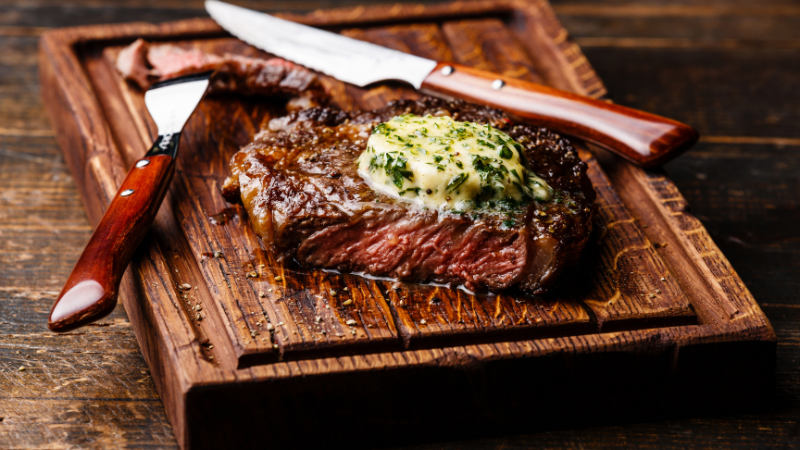
There’s something undeniably special about a perfectly cooked steak dinner. Whether you’re celebrating an anniversary, hosting a dinner party, or simply treating yourself to restaurant-quality dining at home, this pan-seared steak with garlic herb butter delivers steakhouse results in your own kitchen. Best of all, this entire meal is naturally gluten-free, proving that sometimes the most elegant dishes are also the simplest.
Why This Gluten-Free Steak Recipe Stands Out
Great steak doesn’t need complicated ingredients or gluten-containing marinades to shine. This recipe focuses on high-quality beef, proper technique, and a few flavor-enhancing elements that complement rather than mask the meat’s natural taste. The garlic herb butter adds richness and aromatics, while the accompanying roasted vegetables create a complete, restaurant-worthy meal that happens to be completely gluten-free.
Choosing Your Steak
Best Cuts for Pan-Searing:
- Ribeye: Rich, marbled, and incredibly flavorful with excellent fat content
- New York Strip: Leaner than ribeye but still tender with great beef flavor
- Filet Mignon: The most tender cut, mild flavor, perfect for special occasions
- Sirloin: Budget-friendly option that’s still delicious when cooked properly
Thickness Matters: Choose steaks that are 1 to 1.5 inches thick. Thinner steaks cook too quickly and can become tough, while thicker steaks are harder to cook evenly without specialized equipment.
Nutritional Information
Per Serving (serves 4):
- Protein: 42g
- Calories: 485
- Carbs: 12g
- Fat: 32g
- Iron: 35% DV
- Zinc: 40% DV
- B-Vitamins: Excellent source
Ingredients
For the Steaks:
- 4 ribeye or New York strip steaks (8 oz each, 1-1.5 inches thick)
- 2 tablespoons high-heat oil (avocado or grapeseed oil)
- 2 teaspoons kosher salt
- 1 teaspoon freshly ground black pepper
- 1 teaspoon garlic powder
- 1/2 teaspoon smoked paprika
For the Garlic Herb Butter:
- 6 tablespoons unsalted butter, softened
- 3 cloves garlic, minced
- 2 tablespoons fresh parsley, finely chopped
- 1 tablespoon fresh thyme leaves
- 1 tablespoon fresh chives, chopped
- 1/2 teaspoon salt
- 1/4 teaspoon black pepper
- Zest of 1/2 lemon
For the Roasted Vegetables:
- 1.5 lbs baby potatoes, halved
- 1 lb asparagus, trimmed
- 8 oz mushrooms, quartered
- 3 tablespoons olive oil
- 1 teaspoon salt
- 1/2 teaspoon black pepper
- 2 sprigs fresh rosemary
For Finishing:
- Flaky sea salt
- Fresh herb sprigs for garnish
- Lemon wedges
Instructions
Step 1: Prepare the Garlic Herb Butter
In a small bowl, mix the softened butter with minced garlic, parsley, thyme, chives, salt, pepper, and lemon zest until well combined. Transfer to a piece of plastic wrap and shape into a log. Refrigerate for at least 30 minutes to firm up. This can be made up to 3 days ahead.
Step 2: Prep the Vegetables
Preheat your oven to 425°F (220°C). Toss the halved potatoes with 2 tablespoons olive oil, salt, and pepper. Arrange cut-side down on a large baking sheet with the rosemary sprigs. Roast for 20 minutes.
Step 3: Prepare the Steaks
Remove steaks from the refrigerator 30-45 minutes before cooking to bring them to room temperature. This ensures even cooking. Pat steaks completely dry with paper towels – moisture is the enemy of a good sear. Season generously on both sides with the salt, pepper, garlic powder, and smoked paprika, pressing the seasonings into the meat.
Step 4: Add More Vegetables
After the potatoes have roasted for 20 minutes, add the quartered mushrooms to the pan, tossing with a drizzle of olive oil. Continue roasting for another 10 minutes.
Step 5: Sear the Steaks
Heat a large cast-iron or heavy-bottomed skillet over medium-high heat until it’s smoking hot. Add the high-heat oil and immediately place the steaks in the pan. Don’t move them! Let them sear for 3-4 minutes until a golden-brown crust forms.
Step 6: Flip and Finish
Flip the steaks and cook for another 3-4 minutes for medium-rare (internal temperature of 130°F), or adjust timing based on your preferred doneness:
- Rare: 120-125°F
- Medium-rare: 130-135°F
- Medium: 135-145°F
- Medium-well: 145-155°F
Step 7: Add Asparagus and Rest Steaks
In the last 2-3 minutes of steak cooking, add the asparagus to the vegetable pan and drizzle with the remaining olive oil. When steaks reach your desired temperature, remove them to a cutting board and immediately top each with a slice of the garlic herb butter. Tent loosely with foil and let rest for 5-10 minutes.
Step 8: Final Vegetable Roasting
While the steaks rest, the asparagus will finish cooking (total of 8-10 minutes for tender-crisp). The vegetables should be golden and caramelized.
Step 9: Serve
Arrange the rested steaks on plates alongside the roasted vegetables. The herb butter should be melting over the warm steaks, creating an aromatic sauce. Finish with a sprinkle of flaky sea salt and fresh herb garnishes. Serve with lemon wedges.
The Science of Perfect Steak
The Maillard Reaction: The key to great steak is achieving the Maillard reaction – the browning that occurs when proteins and sugars are exposed to high heat. This creates hundreds of flavor compounds that give steak its distinctive taste.
Resting is Crucial: When steak cooks, the muscle fibers contract and push juices toward the center. Resting allows these fibers to relax and reabsorb the juices, resulting in a more tender, juicy steak.
Temperature Control: Using a meat thermometer takes the guesswork out of steak cooking. Remember that the internal temperature will continue to rise 5-10 degrees during resting.
Pro Tips for Steakhouse Results
Room Temperature Start: Cold steaks from the refrigerator cook unevenly – the outside overcooks before the center reaches the desired temperature.
Dry Surface: Pat steaks completely dry and season them 30-60 minutes before cooking. The salt will draw out moisture initially, then reabsorb it along with the seasonings.
Hot Pan, Don’t Move: The pan should be smoking hot before adding steaks. Once they’re in, resist the urge to move them until it’s time to flip.
Single Flip: Flip steaks only once for the best crust formation. Constant flipping prevents proper browning.
Wine Pairing Suggestions
Red Wine Classics:
- Cabernet Sauvignon: Bold tannins complement rich ribeye
- Malbec: Fruit-forward wine that pairs beautifully with herb butter
- Pinot Noir: Lighter option that won’t overpower the meat
White Wine Options:
- Chardonnay: Buttery notes complement the garlic herb butter
- Viognier: Full-bodied white with enough richness for steak
Sides That Complete the Meal
Classic Additions: This meal is complete as written, but you can add:
- Simple green salad with lemon vinaigrette
- Creamy mashed cauliflower (gluten-free comfort food)
- Grilled or roasted seasonal vegetables
Sauce Alternatives: While the garlic herb butter is perfect, you could also serve with:
- Chimichurri sauce
- Simple pan sauce made with wine and beef broth
- Béarnaise sauce for special occasions
Make-Ahead Elements
Herb Butter: Make this up to a week ahead and store in the refrigerator, or freeze for up to 3 months. Slice off portions as needed.
Vegetable Prep: Wash and prep vegetables earlier in the day. Store cut vegetables in the refrigerator until ready to roast.
Seasoning: Season steaks up to 24 hours ahead for even deeper flavor penetration.
Troubleshooting Common Steak Mistakes
Gray Band Around the Edges: This happens when steaks are cooked from cold. Always bring steaks to room temperature first.
Tough, Chewy Texture: Usually caused by overcooking or not resting the meat. Use a thermometer and always rest steaks after cooking.
No Crust Formation: The pan wasn’t hot enough, the steak was wet, or you moved it too soon. Make sure the pan is smoking before adding steaks.
Uneven Cooking: Steaks of different thicknesses cook at different rates. Choose steaks of uniform thickness for best results.
Budget-Friendly Tips
Choose Wisely: Sirloin steaks offer great value and excellent flavor when cooked properly. Look for sales on premium cuts and freeze extras.
Buy in Bulk: Purchase larger cuts like whole strip loins and portion them yourself for significant savings.
Seasonal Vegetables: Use whatever vegetables are in season and on sale. Root vegetables in winter, asparagus in spring, and zucchini in summer all work beautifully.
Special Occasion Upgrades
Premium Touches:
- Use grass-fed beef for superior flavor
- Add truffle oil to the herb butter
- Finish with aged balsamic vinegar
- Serve with roasted bone marrow
Presentation Ideas:
- Slice steaks and fan on the plate
- Arrange vegetables in colorful patterns
- Drizzle herb butter around the plate
- Garnish with edible flowers
Why This Recipe Works for Everyone
Naturally Gluten-Free: No specialty ingredients or substitutions required – just pure, delicious food that happens to be gluten-free.
Scalable: Easy to multiply for dinner parties or scale down for intimate dinners for two.
Restaurant Quality: The techniques used here are the same ones employed in high-end steakhouses, ensuring professional results at home.
Complete Nutrition: High-quality protein, healthy fats, and nutrient-rich vegetables create a balanced, satisfying meal.
Your Perfect Steak Dinner Awaits
Mastering the perfect steak dinner is one of those life skills that never goes out of style. This recipe gives you all the tools and techniques you need to create restaurant-quality results in your own kitchen, whether you’re cooking for a special occasion or simply treating yourself to something extraordinary.
The beauty of this meal lies in its simplicity – quality ingredients treated with respect and cooked with proper technique. The garlic herb butter adds a touch of elegance without overwhelming the natural flavor of the beef, while the roasted vegetables provide color, nutrition, and complementary flavors that round out the meal perfectly.
Remember, cooking the perfect steak is as much about confidence as it is about technique. Trust your thermometer, trust the process, and most importantly, trust yourself. With practice, you’ll develop an intuition for when everything is just right.
So fire up that skillet, open a good bottle of wine, and get ready to create a dining experience that rivals the best steakhouses – all while knowing that every single element is completely gluten-free and made with love in your own kitchen.
What’s your favorite way to prepare steak at home? Do you prefer a simple salt and pepper approach, or do you like to experiment with different seasonings and sauces? Share your steak cooking tips and favorite accompaniments in the comments below!